Finishing.
Every 3D printed part carries the fingerprint of its build - visible layer lines, surface texture, and micro-porosity. Finishing is the stage where RapidPrintParts turns that raw surface into a refined, production-ready component, adding the feel, seal, and appearance your application demands.
The build chamber is only the beginning
As-printed surfaces rarely tell the full story of a component's potential. Layer lines, surface porosity, and raw texture can affect how a part grips, seals, wears, and looks in service. The right finishing sequence closes that gap and unlocks the full value of additive manufacturing.
RapidPrintParts pairs material knowledge with a practical understanding of post-processing, helping you match each finishing route to your geometry, polymer, and functional requirements.
- Controlled surface texture for handling, sealing, and assembly
- Consistent color and appearance for end-use and customer-facing parts
- Functional properties such as hardness and conductivity through electroplating
- Repeatable results across batches and part quantities
-
Step 01
As-Printed Part
Surface shows layer lines, roughness, and the natural texture left by the additive build.
-
Step 02
Post-Processing Selection
The right technique - sanding, smoothing, dyeing, or coating - is matched to the material and application.
-
Step 03
Finished Component
A refined surface with the texture, appearance, and functional qualities specified for the end use.
Finishing converts prototypes into professional parts.
One part, many finishing routes
Each additive component is unique in material, geometry, and demanded performance. The finishing process should be selected with all three in mind.
Mechanical & Chemical
Surface Refinement
Sanding, polishing, and vapor smoothing reduce visible layer lines and control surface roughness on polymer components.
Color & Identity
Appearance Control
Dyeing and painting deliver consistent color, a professional finish, and visual consistency for end-use or customer-facing parts.
Coatings & Performance
Functional Enhancement
Electroplating can add metallic finishes, hardness, or electrical conductivity to non-conductive polymer surfaces for specialized requirements.
Explore finishing & post-processing guides
Learn how each finishing technique works, which materials it suits, and the application considerations that matter for your next batch of parts.
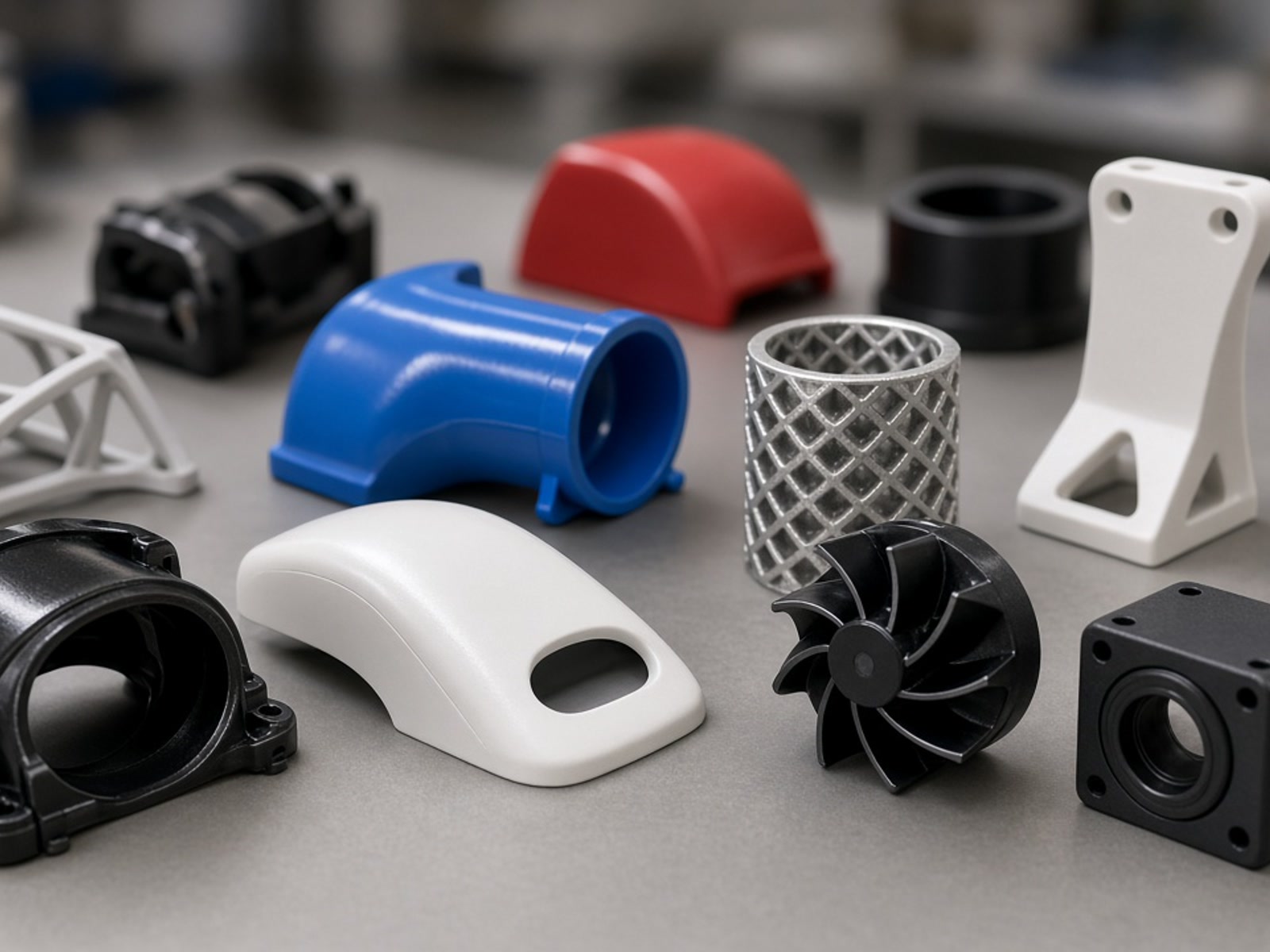
3D Printing Finishing Services for Industrial Components
Explore industrial 3D printing finishing options including vapor smoothing, dyeing, CNC machining, and inserts for FDM, SLA, SLS, and MJF parts.
View details →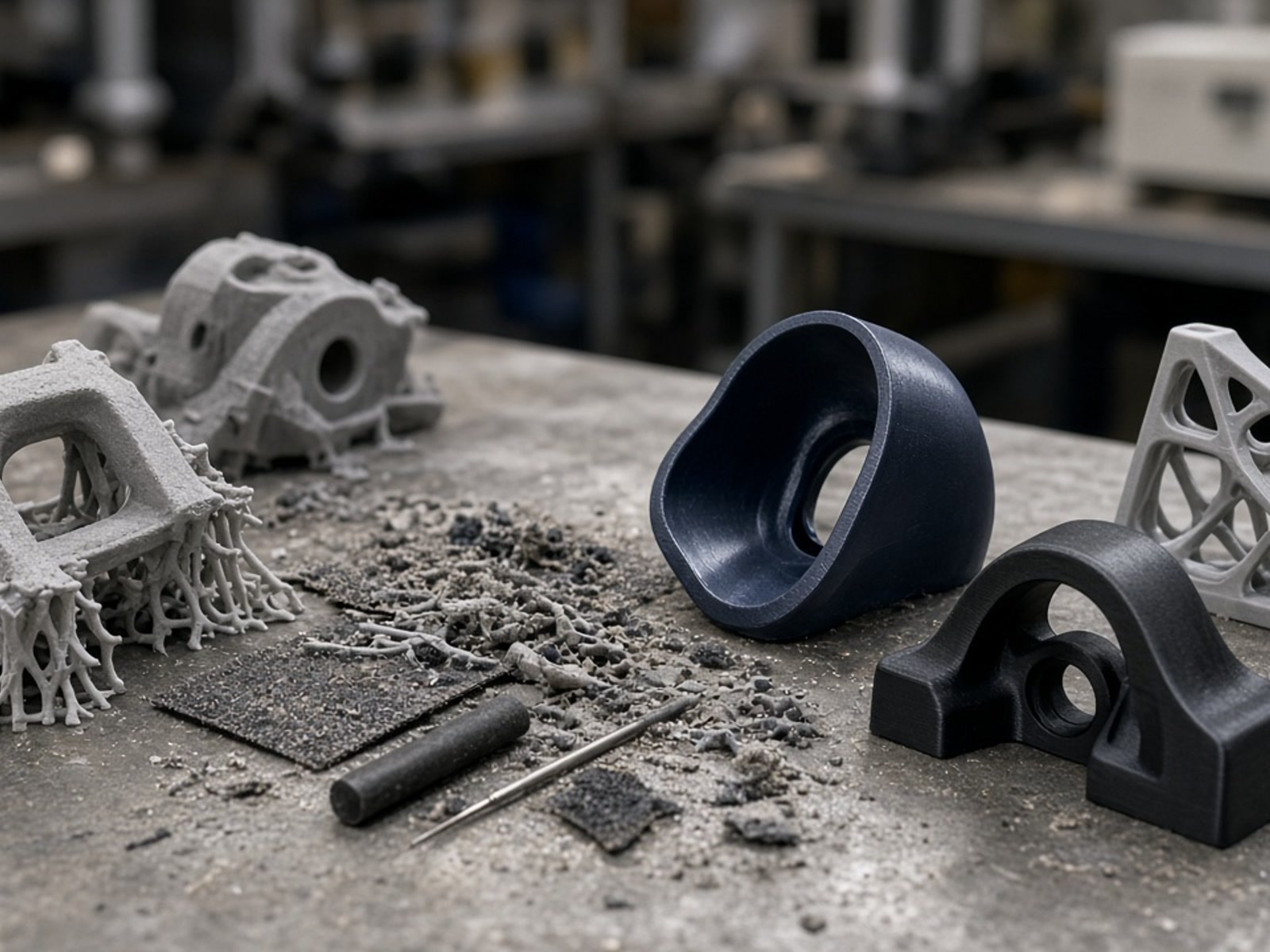
3D Printing Post Processing: Enhancing Functional Industrial Parts
Learn how 3D printing post processing improves the surface finish, dimensional accuracy, and mechanical performance of functional industrial components.
View details →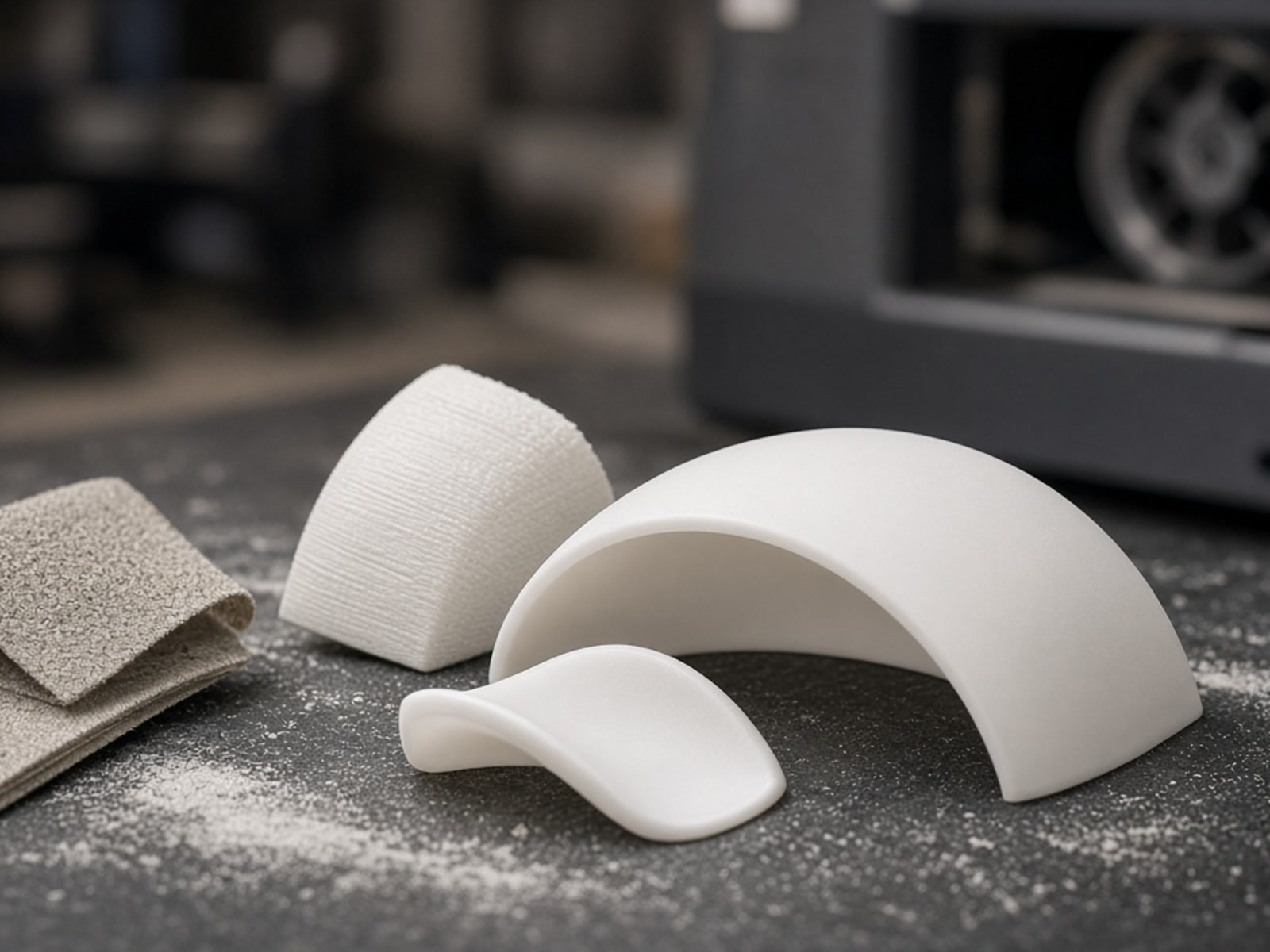
3D Printing Sanding for Functional Industrial Parts
Understand how sanding supports functional finishes on FDM, SLA, SLS, and MJF parts. Review selection factors, typical applications, and engineering considerations for industrial use at RapidPrintParts.
View details →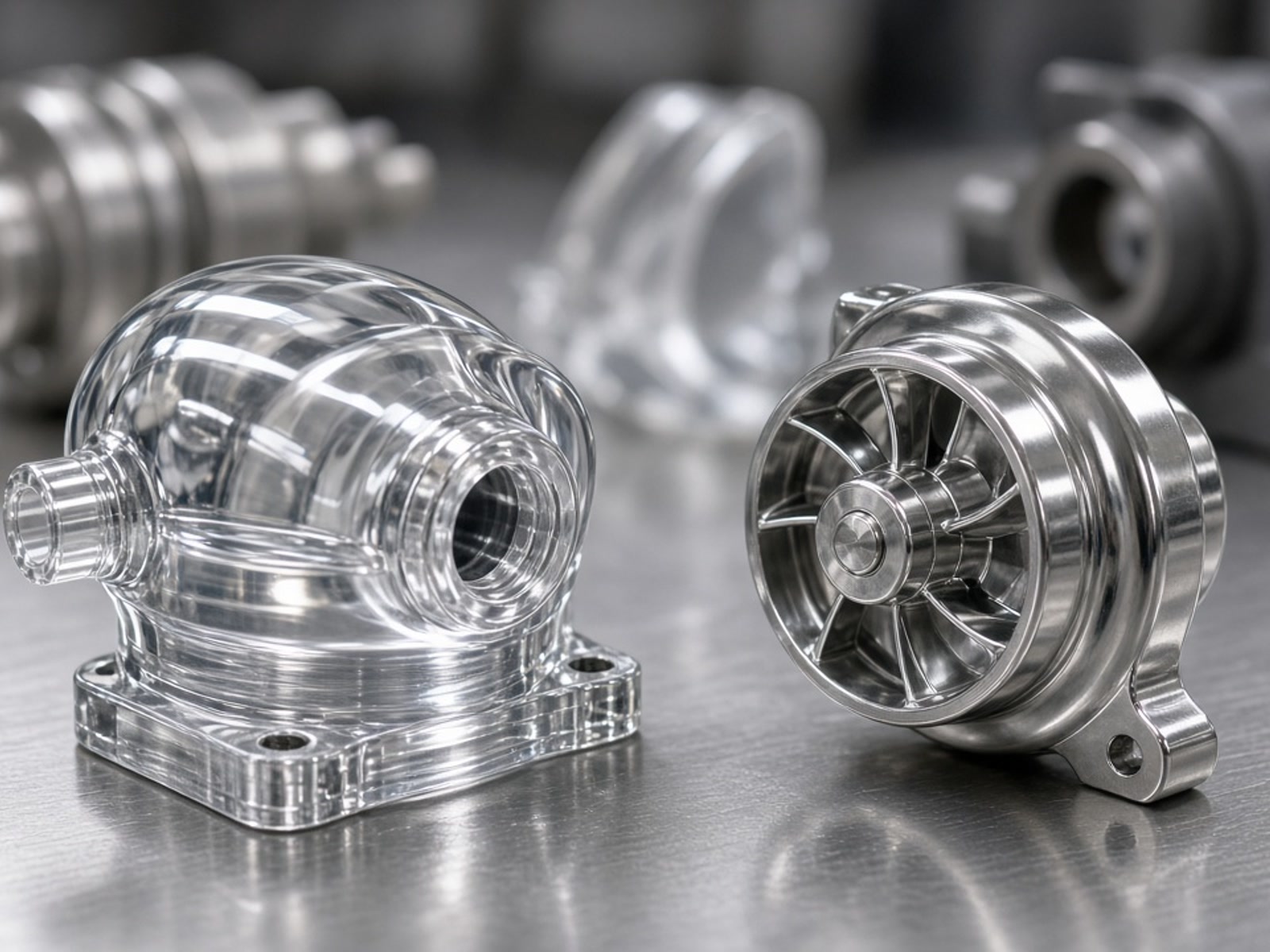
3D Printing Polishing: Finishing Options for Industrial Parts
Learn how 3D printing polishing and finishing processes improve the surface quality, aesthetics, and functionality of industrial parts at RapidPrintParts.
View details →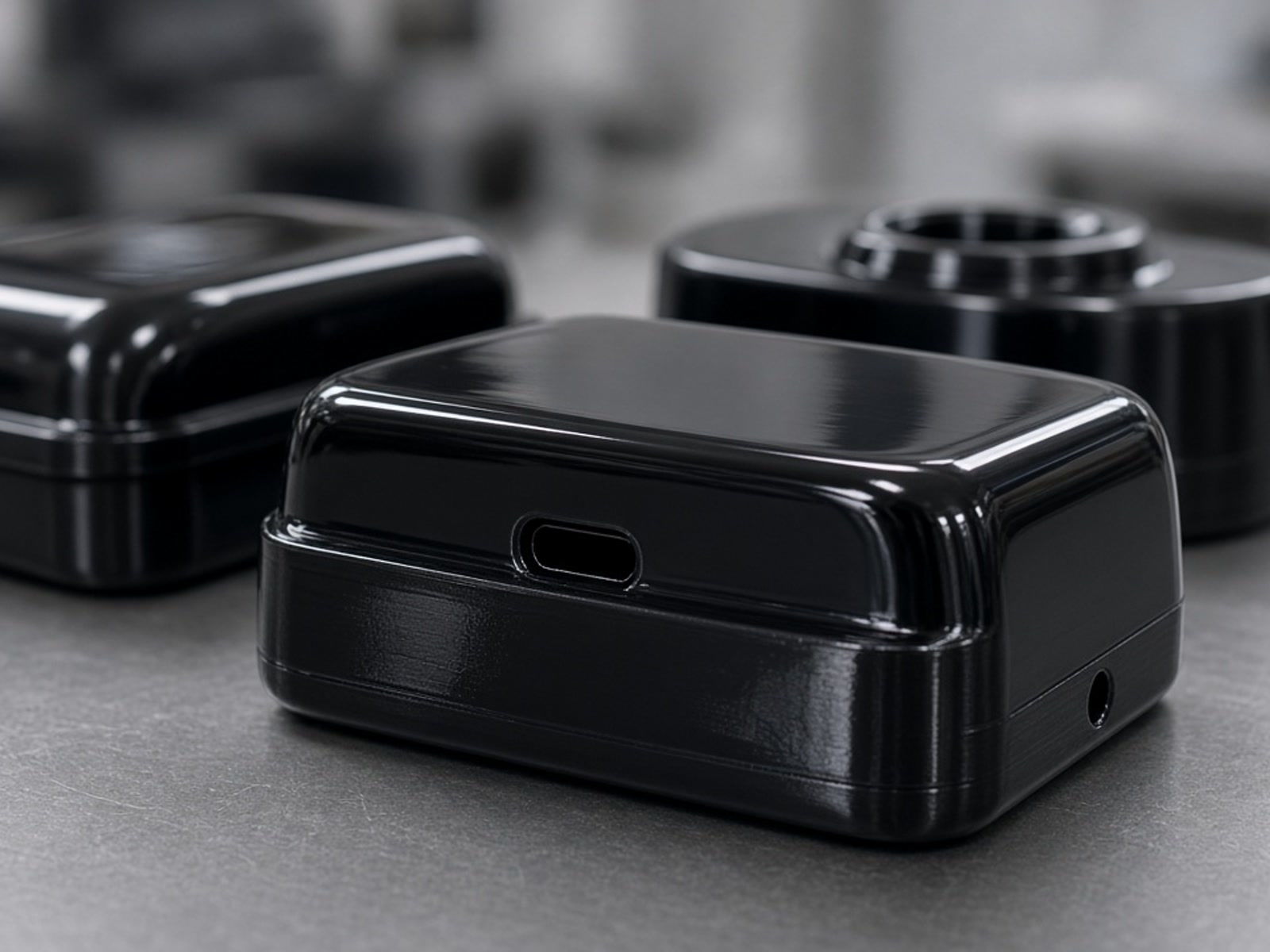
3D Printing Vapor Smoothing | Industrial Finishing for Functional Parts
Learn how vapor smoothing improves the surface finish, seal, and durability of industrial 3D printed parts. Professional post-processing for functional applications.
View details →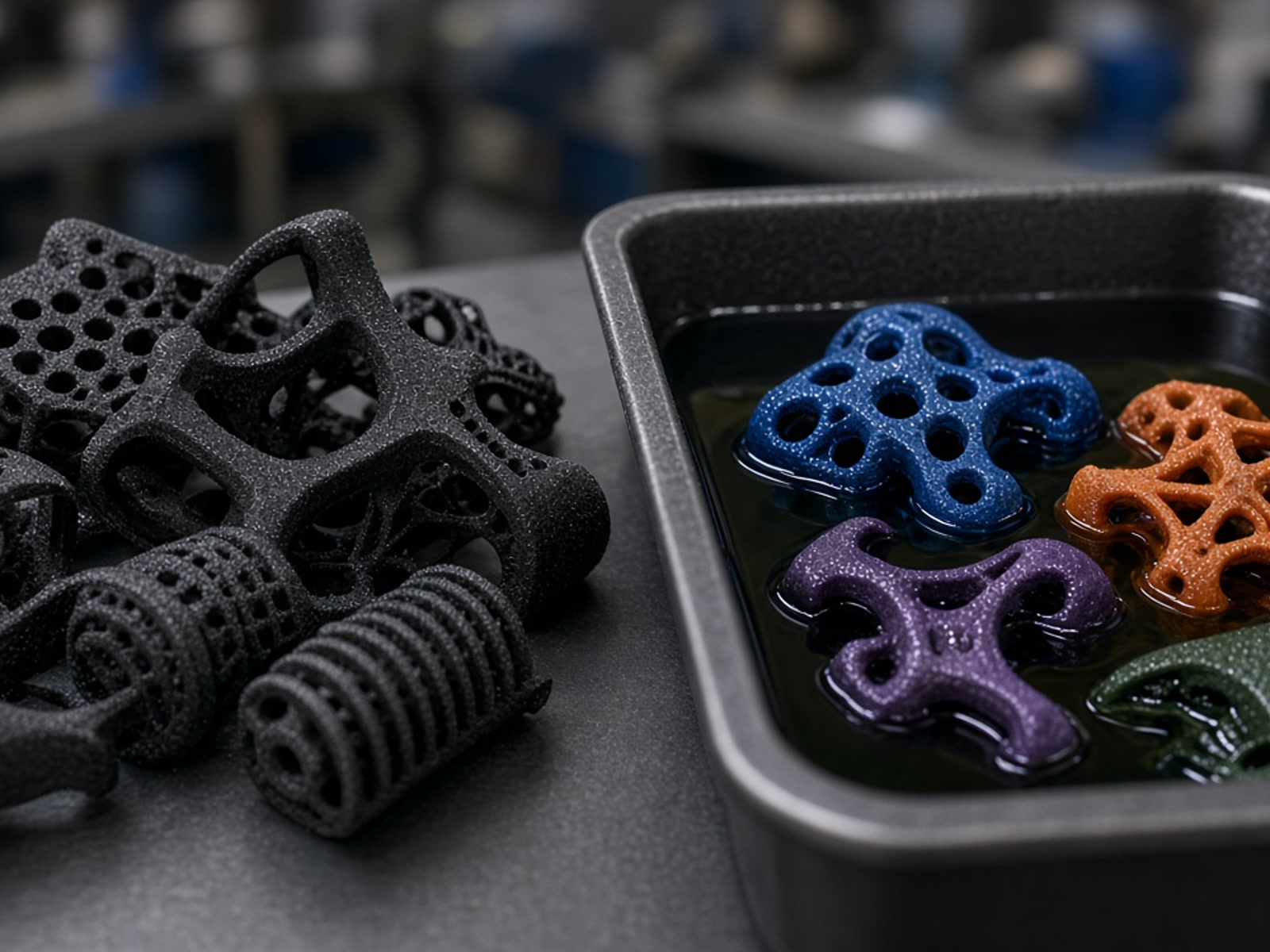
Industrial 3D Printing Dyeing Services | RapidPrintParts
Enhance the durability and aesthetics of your functional 3D printed parts with professional dyeing services. Contact RapidPrintParts for an engineering review.
View details →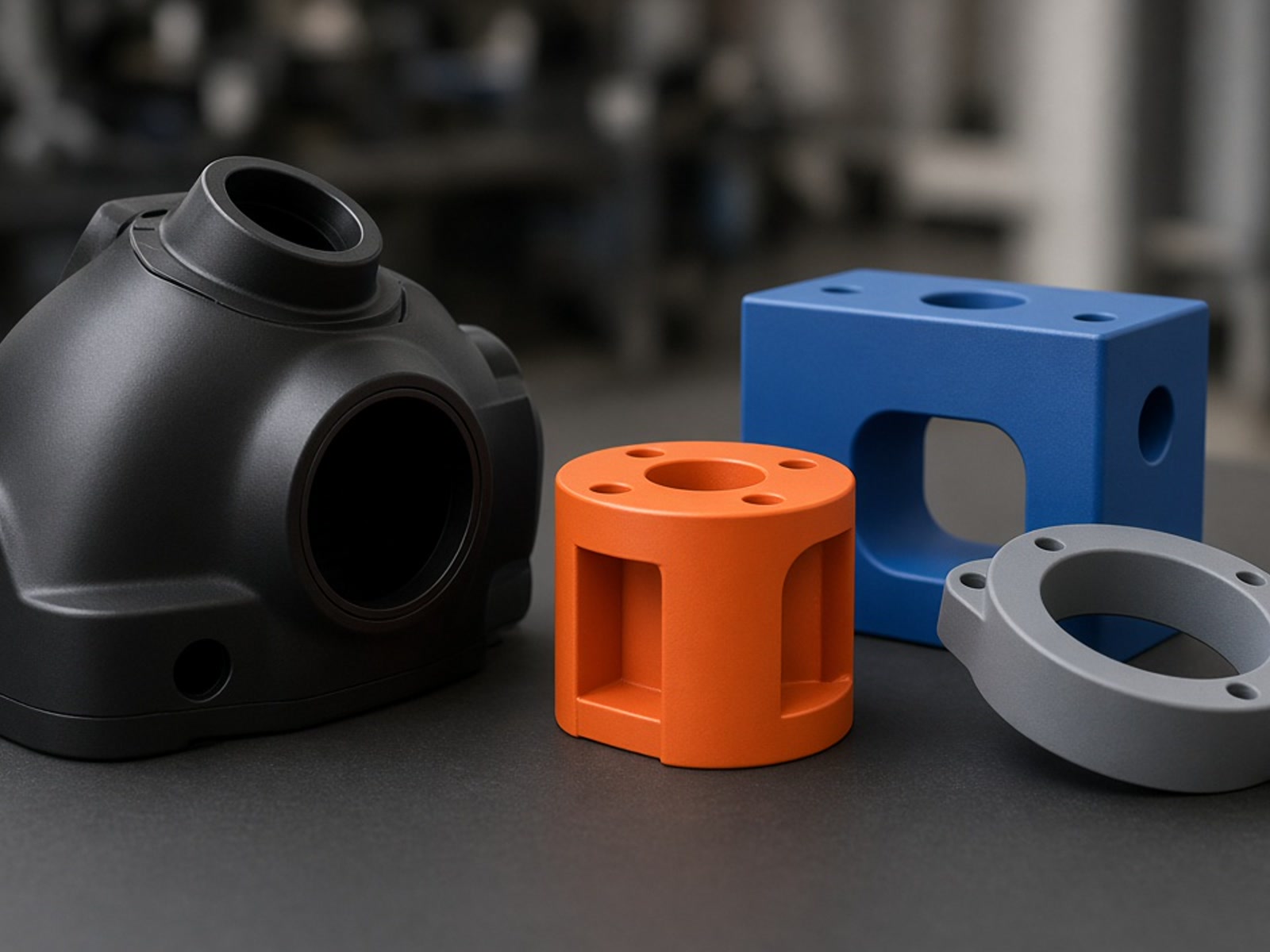
Industrial 3D Printing Painting and Surface Finishing Services
Professional painting and finishing for industrial 3D printed parts. Enhance aesthetics, UV resistance, and surface durability for functional prototypes and end-use components.
View details →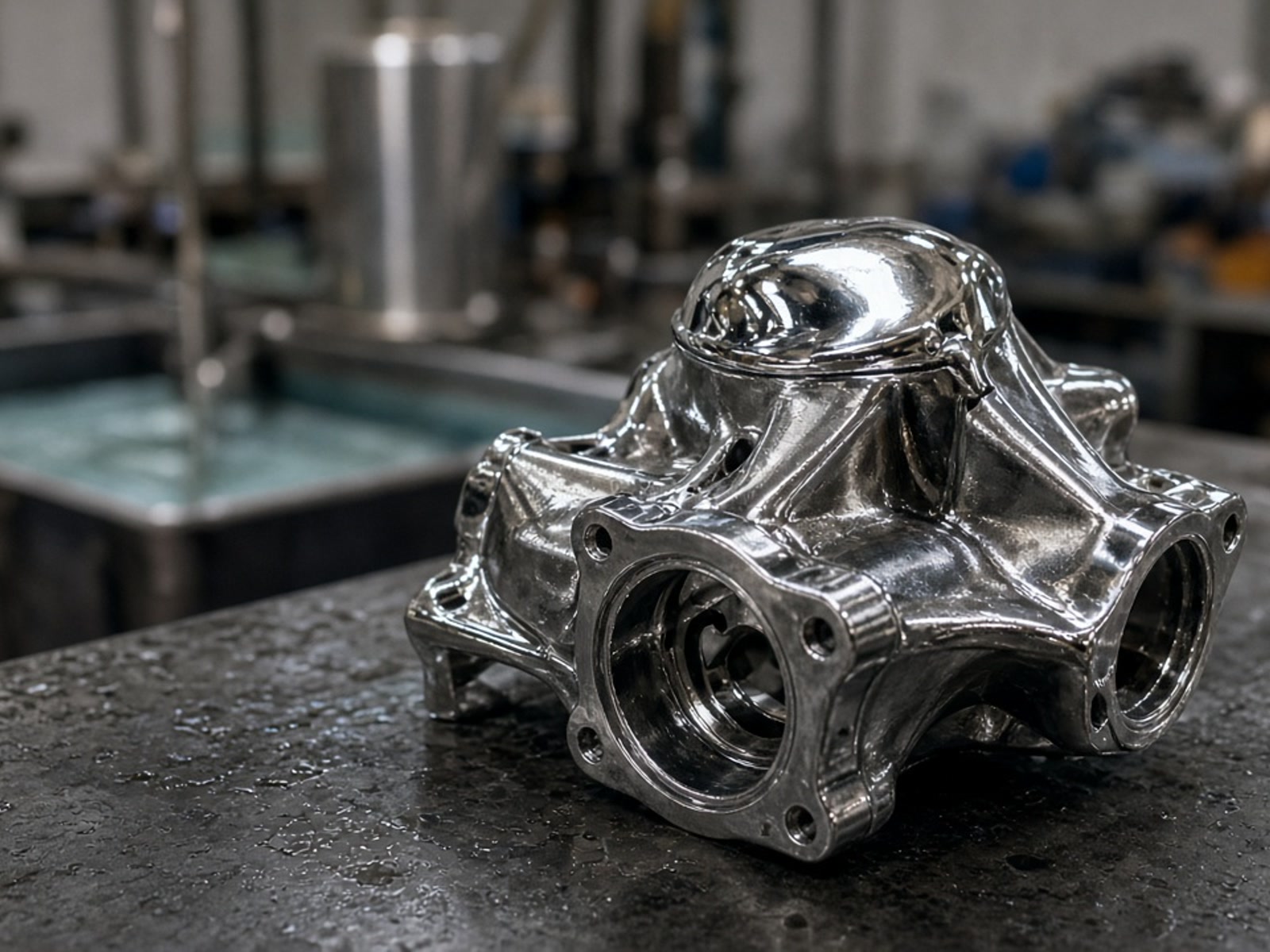
3D Printing Electroplating: Engineering Considerations for Polymer Parts
Learn about the technical requirements and engineering considerations for applying electroplating to 3D printed polymer components for industrial applications.
View details →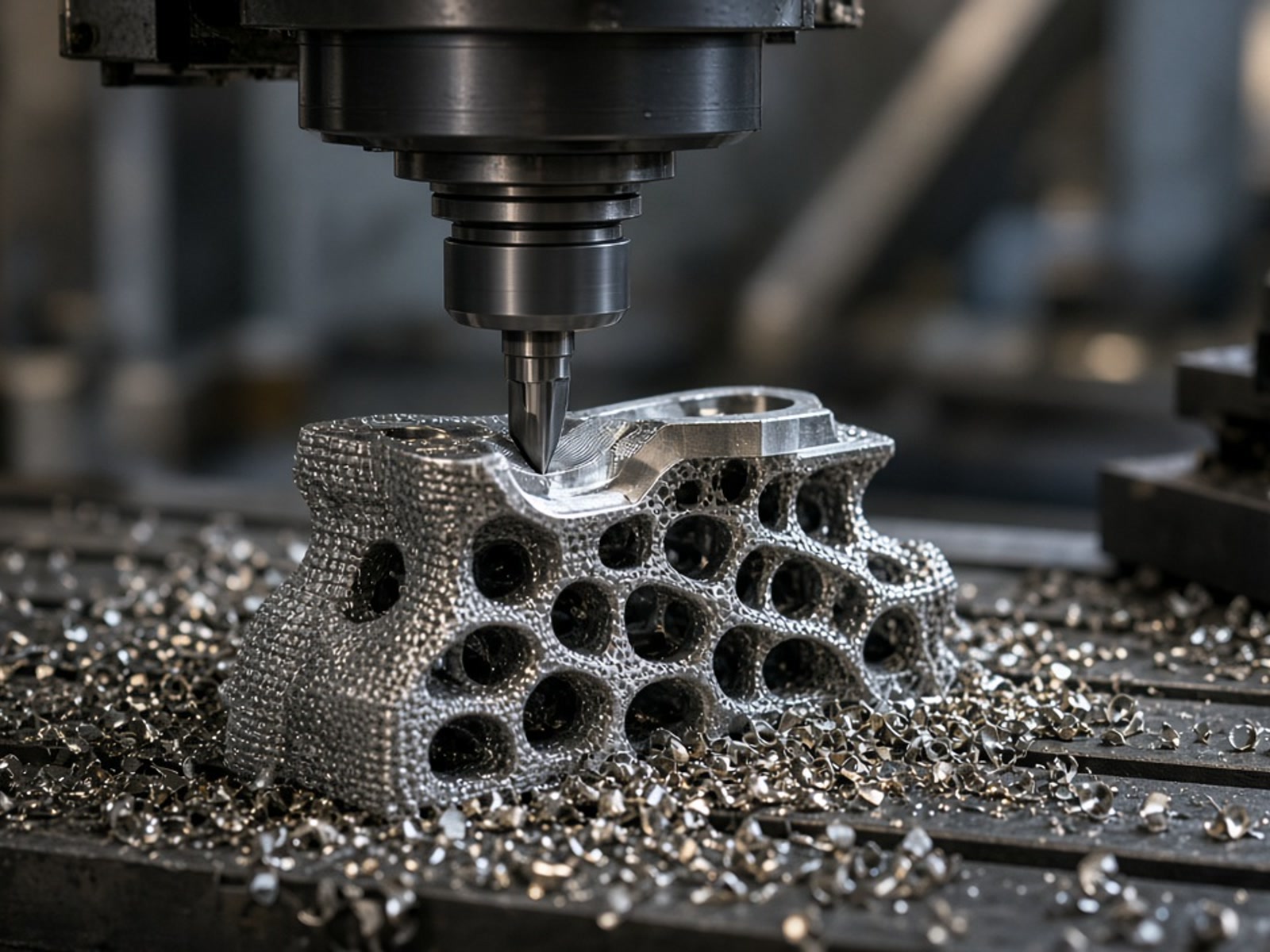
Integrating 3D Printing and CNC Machining for Industrial Parts
Learn how RapidPrintParts combines additive manufacturing with CNC secondary machining to achieve tight tolerances and functional finishes for industrial applications.
View details →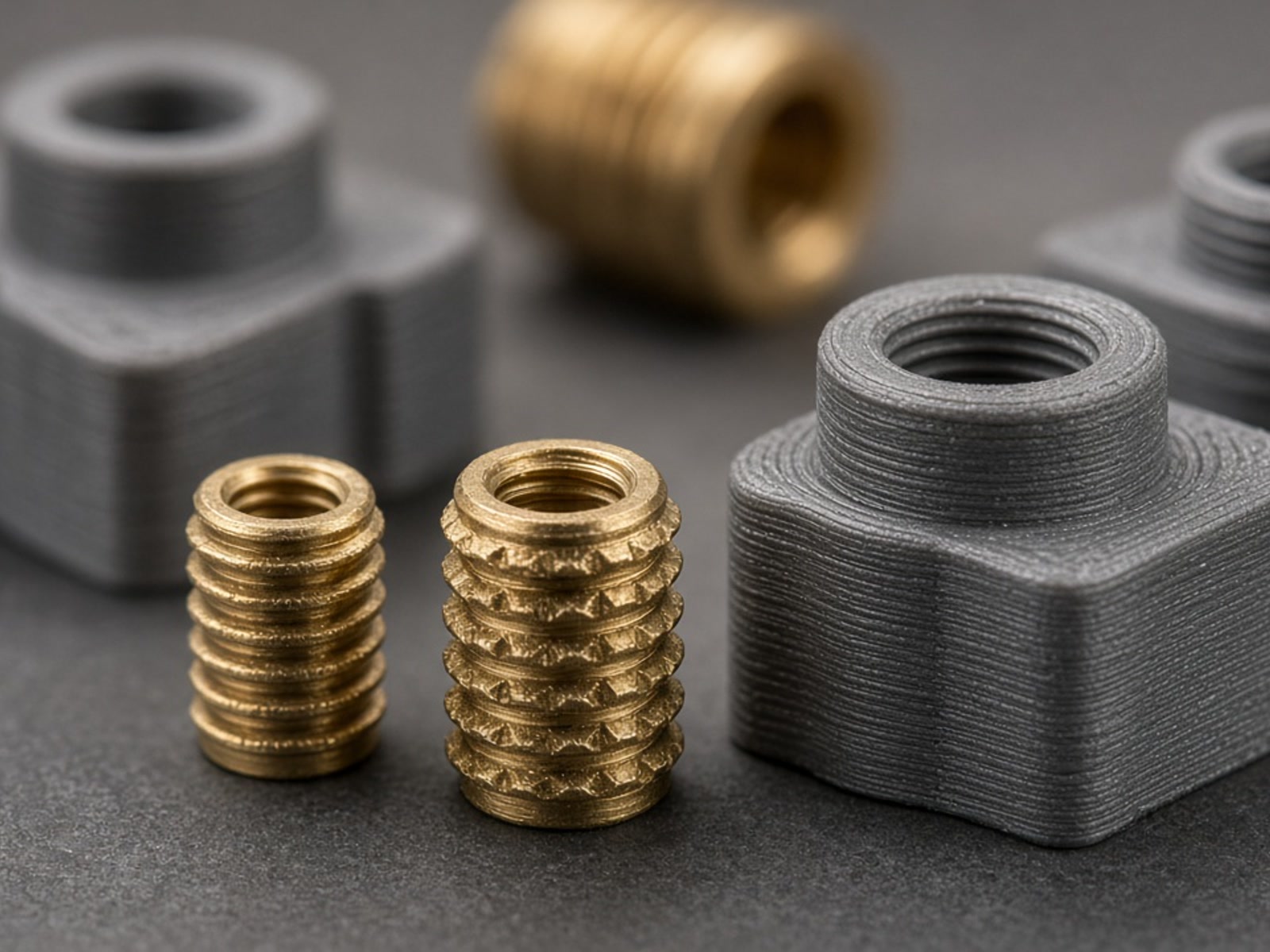
Threaded Inserts for 3D Printed Parts: Engineering and Integration
Explore the selection and installation of threaded inserts for functional 3D printed parts across FDM, SLS, and MJF processes to ensure durable mechanical assemblies.
View details →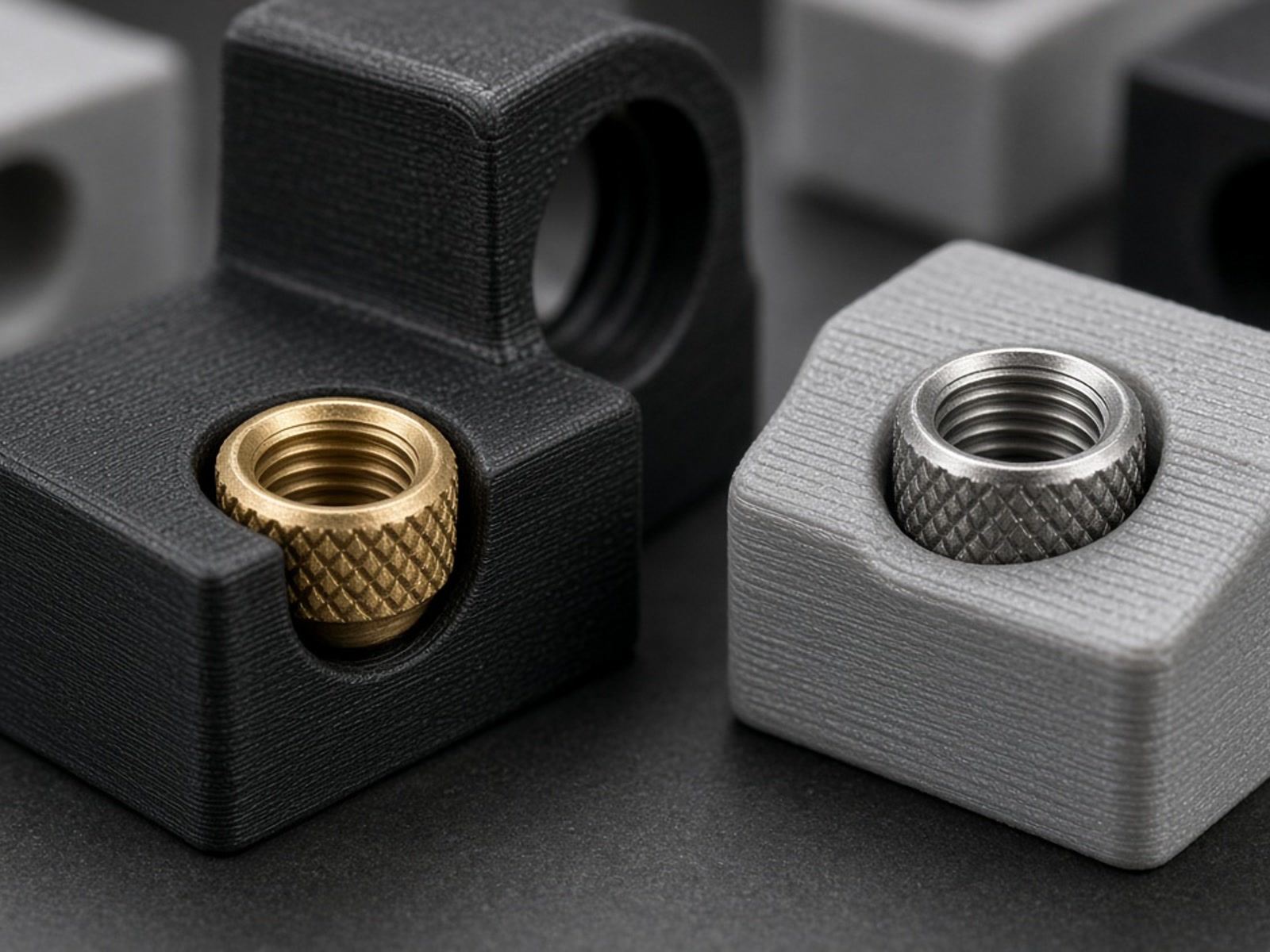
Metal Inserts for 3D Printed Parts | Industrial Finishing Services
Enhance the mechanical strength and thread durability of 3D printed polymer parts. Learn about metal insert selection for FDM, SLS, MJF, and SLA processes.
View details →Not sure which finishing process fits your part?
Share your material, geometry, and performance requirements with RapidPrintParts. We will help you evaluate the most suitable finishing route for your additive manufactured components.
Contact RapidPrintParts
Get in Touch
We are here to answer your questions about industrial additive manufacturing and functional 3D printed parts. Reach out to us through the following methods:
Email: info@rapidprintparts.com
Address: No. 17-1, Guanlan Avenue, Longhua District, Shenzhen, Guangdong Province, Shenzhen 3D Printing Industrial Park